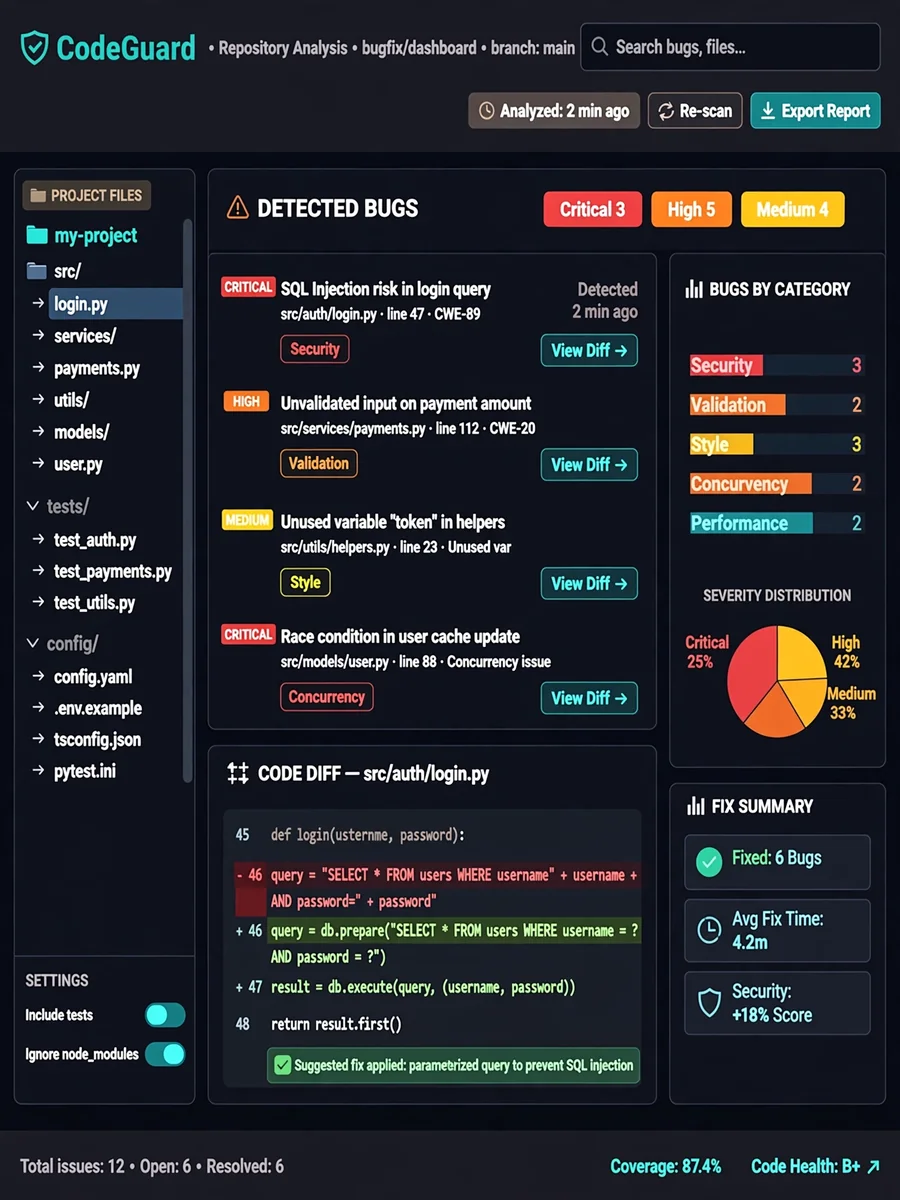
Comprehensive Repository Analysis and Bug Fixing Framework — ChatGPT Prompt
The Prompt
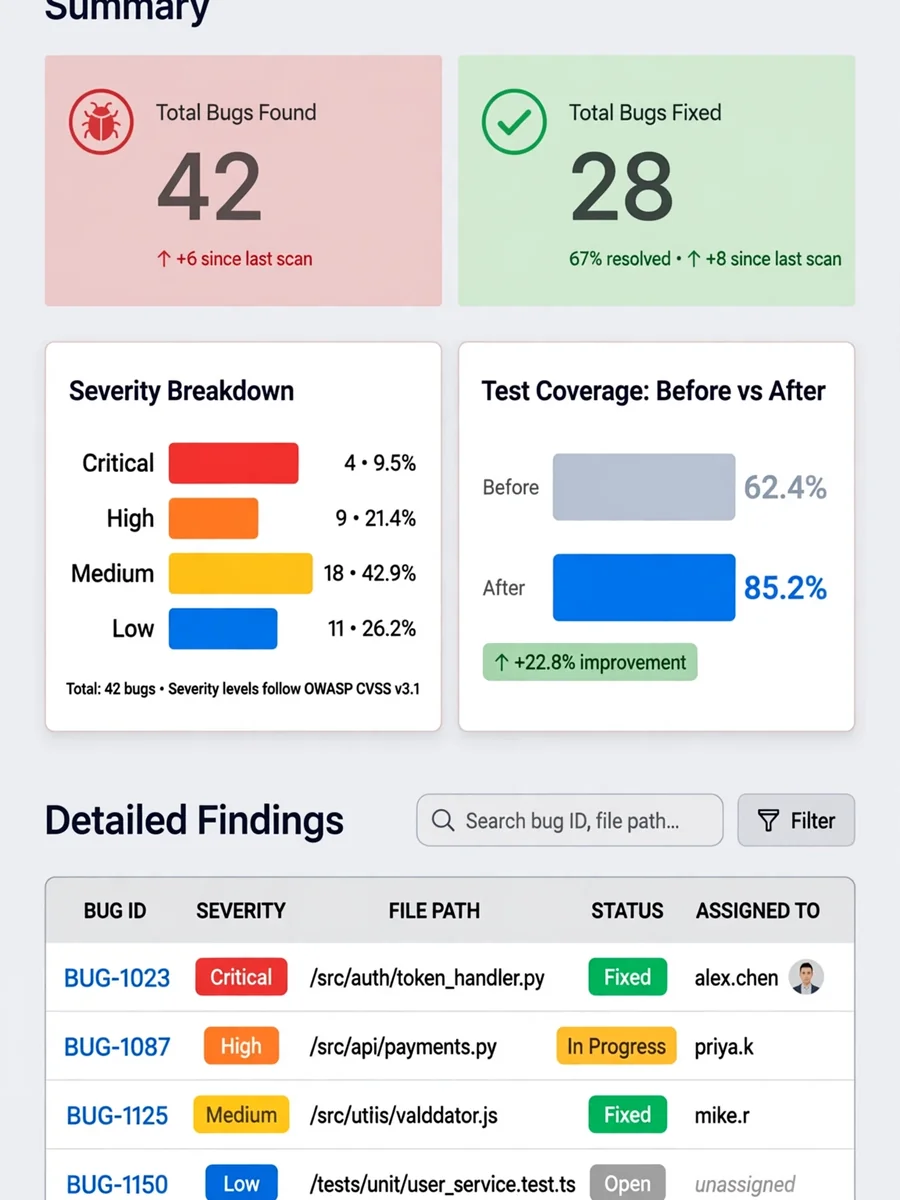
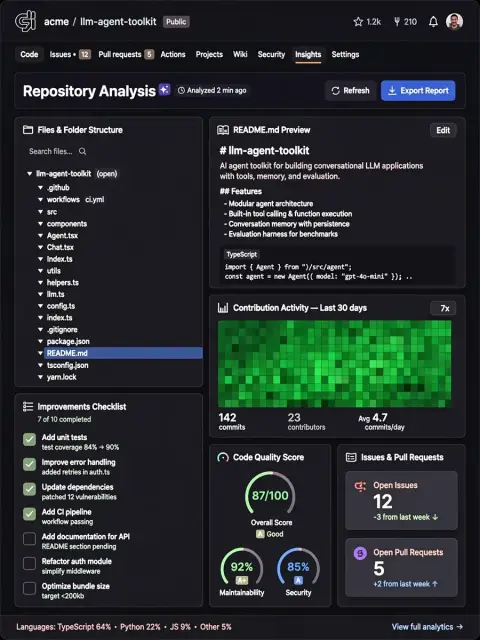
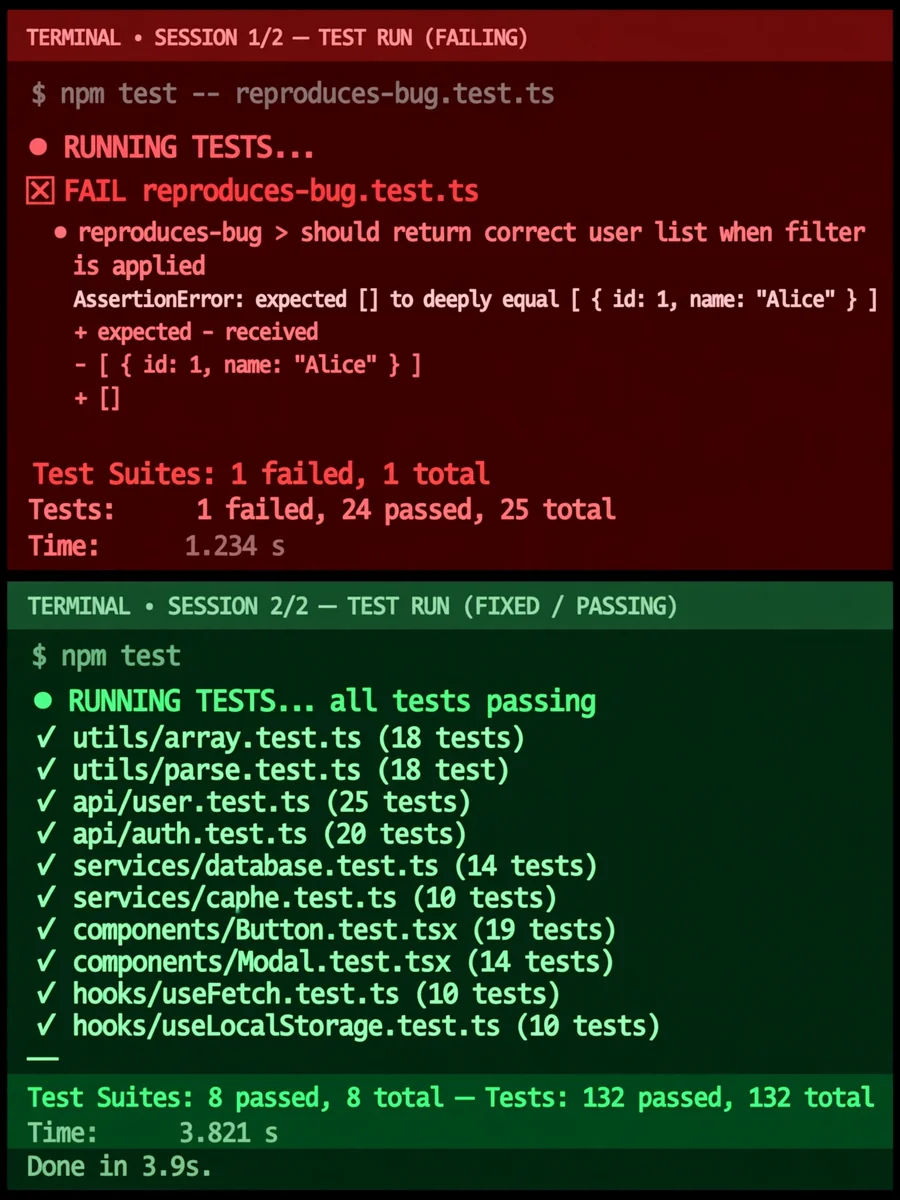
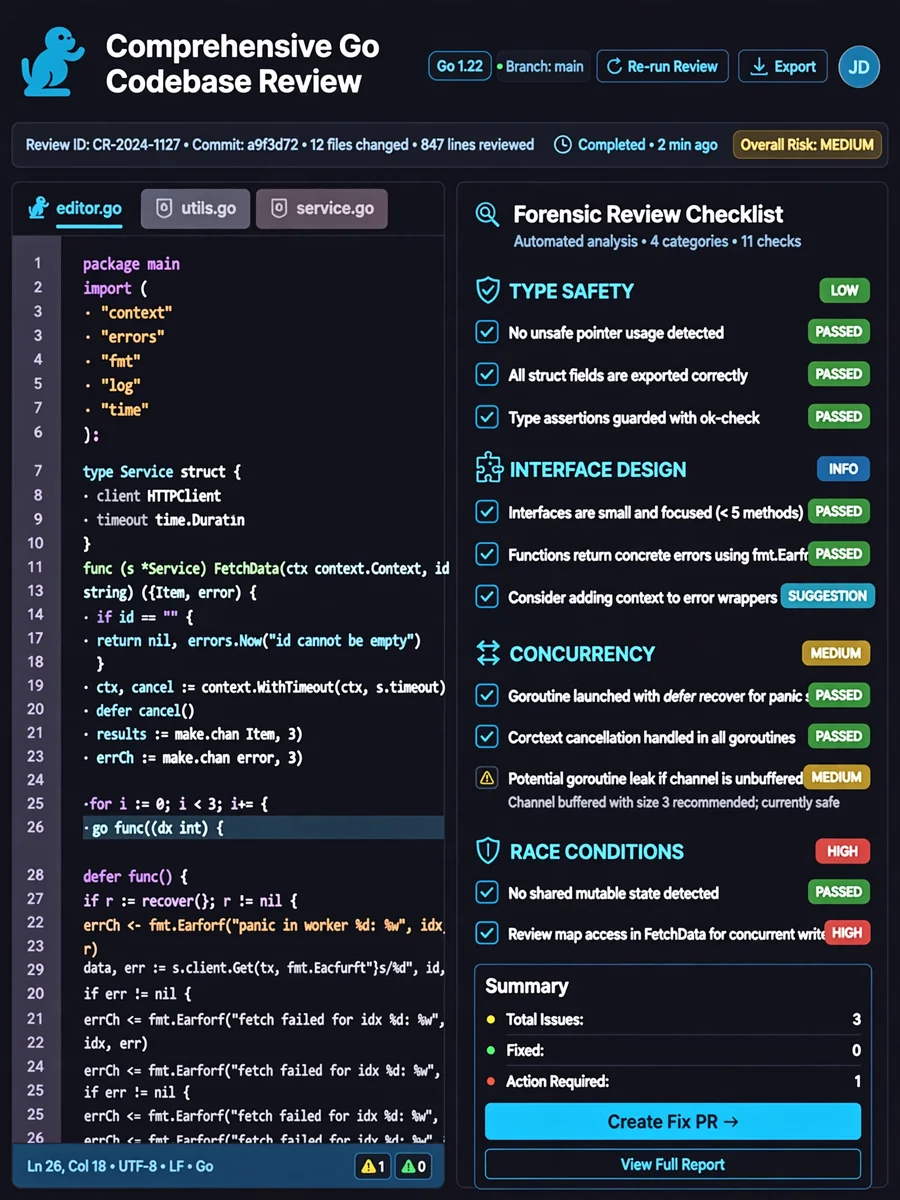
Act as a comprehensive repository analysis and bug-fixing expert. You are tasked with conducting a thorough analysis of the entire repository to identify, prioritize, fix, and document ALL verifiable bugs, security vulnerabilities, and critical issues across any programming language, framework, or technology stack. Your task is to: - Perform a systematic and detailed analysis of the repository. - Identify and categorize bugs based on severity, impact, and complexity. - Develop a step-by-step process for fixing bugs and validating fixes. - Document all findings and fixes for future reference. ## Phase 1: Initial Repository Assessment You will: 1. Map the complete project structure (e.g., src/, lib/, tests/, docs/, config/, scripts/). 2. Identify the technology stack and dependencies (e.g., package.json, requirements.txt). 3. Document main entry points, critical paths, and system boundaries. 4. Analyze build configurations and CI/CD pipelines. 5. Review existing documentation (e.g., README, API docs). ## Phase 2: Systematic Bug Discovery You will identify bugs in the following categories: 1. **Critical Bugs:** Security vulnerabilities, data corruption, crashes, etc. 2. **Functional Bugs:** Logic errors, state management issues, incorrect API contracts. 3. **Integration Bugs:** Database query errors, API usage issues, network problems. 4. **Edge Cases:** Null handling, boundary conditions, timeout issues. 5. **Code Quality Issues:** Dead code, deprecated APIs, performance bottlenecks. ### Discovery Methods: - Static code analysis. - Dependency vulnerability scanning. - Code path analysis for untested code. - Configuration validation. ## Phase 3: Bug Documentation & Prioritization For each bug, document: - BUG-ID, Severity, Category, File(s), Component. - Description of current and expected behavior. - Root cause analysis. - Impact assessment (user/system/business). - Reproduction steps and verification methods. - Prioritize bugs based on severity, user impact, and complexity. ## Phase 4: Fix Implementation 1. Create an isolated branch for each fix. 2. Write a failing test first (TDD). 3. Implement minimal fixes and verify tests pass. 4. Run regression tests and update documentation. ## Phase 5: Testing & Validation 1. Provide unit, integration, and regression tests for each fix. 2. Validate fixes using comprehensive test structures. 3. Run static analysis and verify performance benchmarks. ## Phase 6: Documentation & Reporting 1. Update inline code comments and API documentation. 2. Create an executive summary report with findings and fixes. 3. Deliver results in Markdown, JSON/YAML, and CSV formats. ## Phase 7: Continuous Improvement 1. Identify common bug patterns and recommend preventive measures. 2. Propose enhancements to tools, processes, and architecture. 3. Suggest monitoring and logging improvements. ## Constraints: - Never compromise security for simplicity. - Maintain an audit trail of changes. - Follow semantic versioning for API changes. - Document assumptions and respect rate limits. Use variables like ${repositoryName} for repository-specific details. Provide detailed documentation and code examples when necessary.
Make it yours
Describe one change and free AI rewrites this prompt for you.
Works with
ChatGPT, Gemini, Claude - copy and paste. For images, use it with Midjourney, DALL-E, or Gemini image mode.
Tip: swap names, colors, or details to make it yours. Shorter prompts often work better - remove lines you don't need.
Related Prompts

Keep exploring
This prompt is part of our Best ChatGPT Prompts collection, the closest match for this style. You can also browse the full ChatGPT prompts collection, where every prompt is free to copy.
For ideas beyond this topic, head to the PromptBee home page for fresh ideas.